
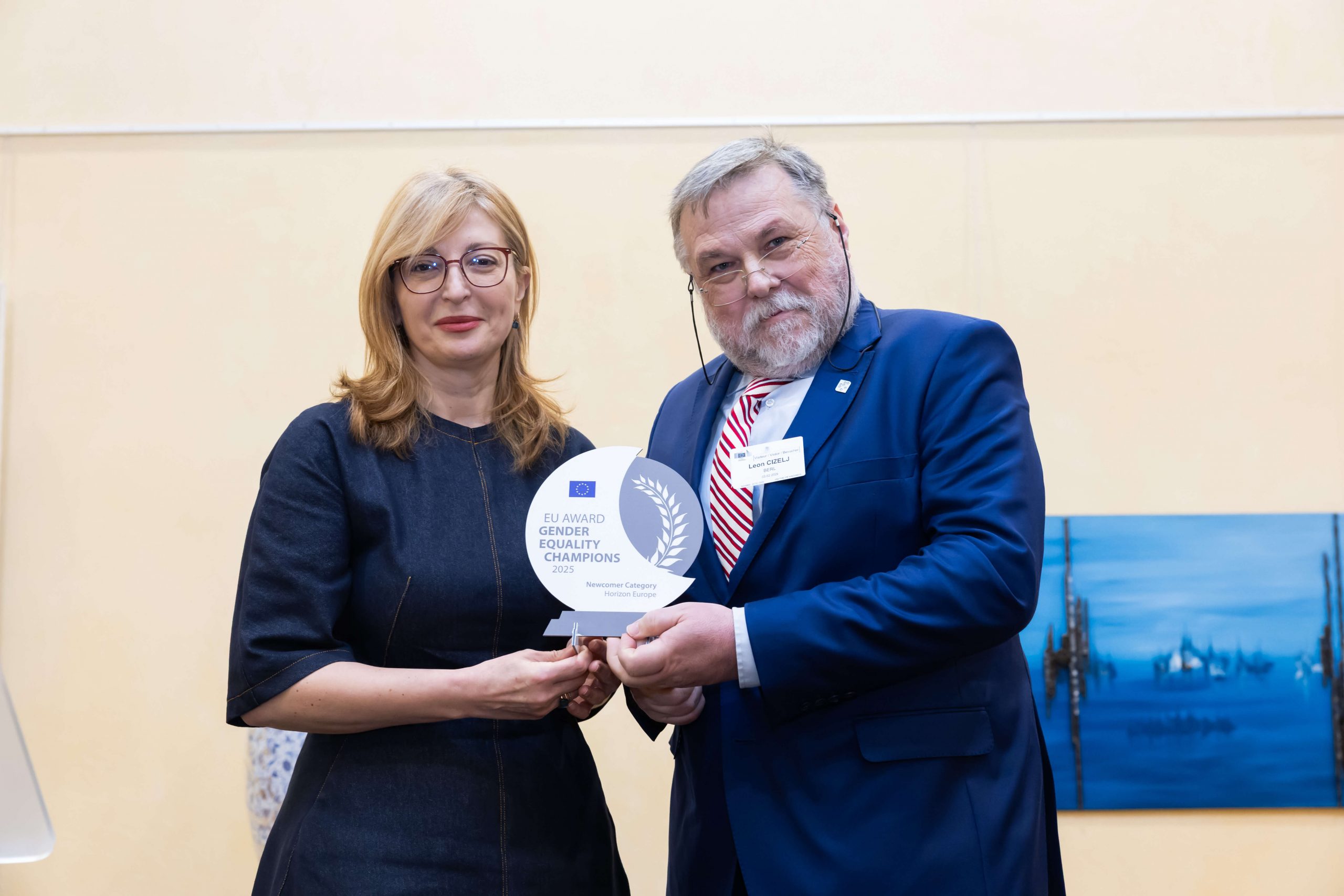
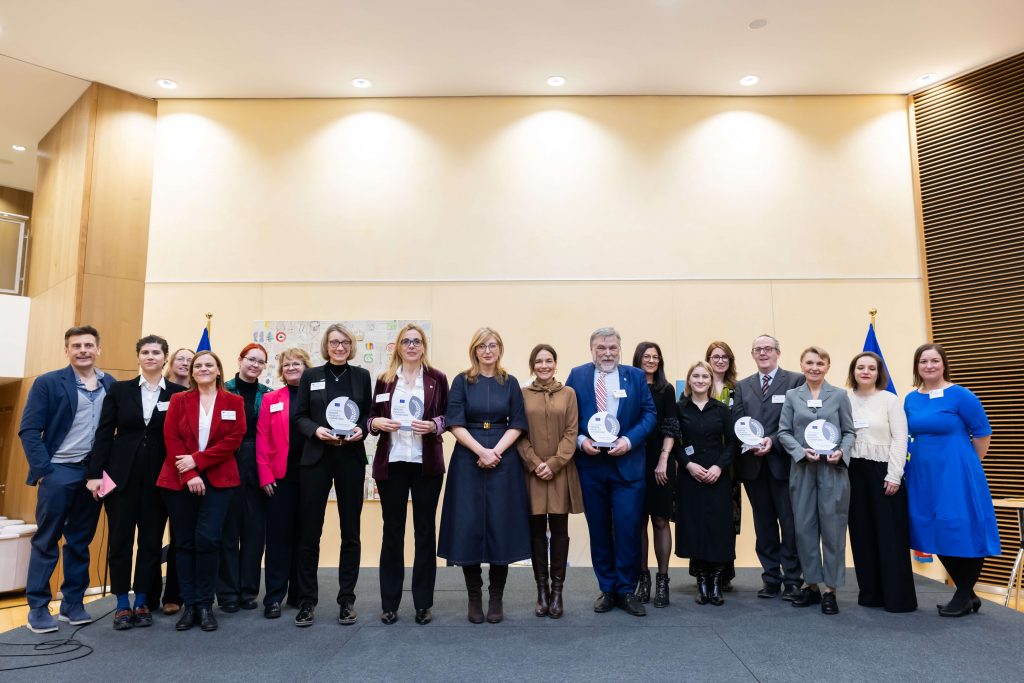
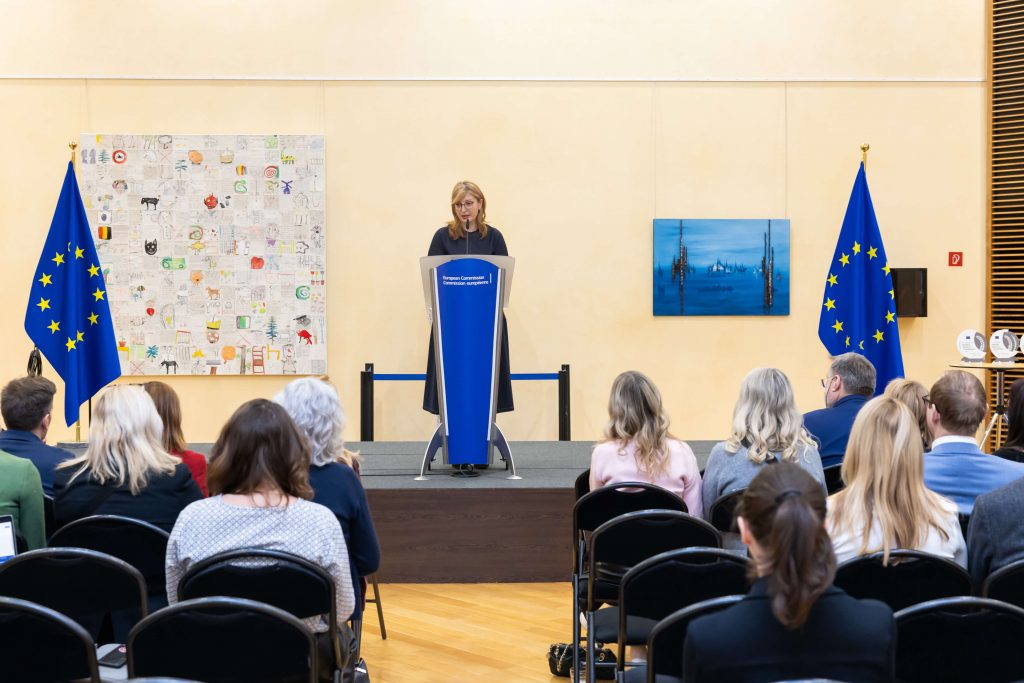
The European Commission on February 3rd, 2026, announced the winners of the fourth EU Award for Gender Equality Champions, celebrating institutions that have made “tangible progress” in diversifying the landscape of Research and Innovation (R&I).
The announcement, made by the European Commissioner for Startups, Research and Innovation, Ekaterina Zaharieva, highlights a growing cohort of academic and research bodies successfully integrating inclusive policies into the heart of European science.
A ‘Champions League’ of Equality
The awards are divided into three distinct categories, reflecting the various stages of institutional transformation across the continent:
- Sustainable Gender Equality: For the first time, this category saw a tie between Bielefeld University (Germany) and the Open University of Catalonia (Spain). Both institutions were lauded for over 15 and 30 years, respectively, of institutionalised gender planning.
- Newcomer Champions: Recognising those who have recently initiated impactful change, the awards went to Charles University (Czechia) and the Jozef Stefan Institute (Slovenia).
- Inclusive Champion: University College Cork (Ireland) was singled out for its pioneering intersectional approach, including “reverse mentoring” schemes and progressive personal transition policies.
The inclusion of the Jozef Stefan Institute (IJS) as a ‘Newcomer’ champion is of particular significance to the Consulta Europa community. The Slovenian institute served as a key partner in the ATHENA Project, a flagship initiative led by Consulta Europa.
The ATHENA project has been instrumental in removing barriers to the recruitment and career progression of female researchers. By implementing tailored Gender Equality Plans (GEPs) across eight research-performing and funding organisations, ATHENA has laid the groundwork for the very successes celebrated by the Commission today.
The recognition of IJS underscores the efficacy of the ATHENA framework in fostering environments where all researchers—regardless of gender—can contribute to a competitive European society.
Strengthening the European Research Area
Under the Horizon Europe programme, the implementation of a Gender Equality Plan is no longer a choice but a mandatory eligibility criterion for public bodies and research organisations seeking funding.
Commissioner Zaharieva noted that these champions prove that “excellence and inclusion go hand in hand,” suggesting that social progress is now a vital component of Europe’s global scientific competitiveness.