
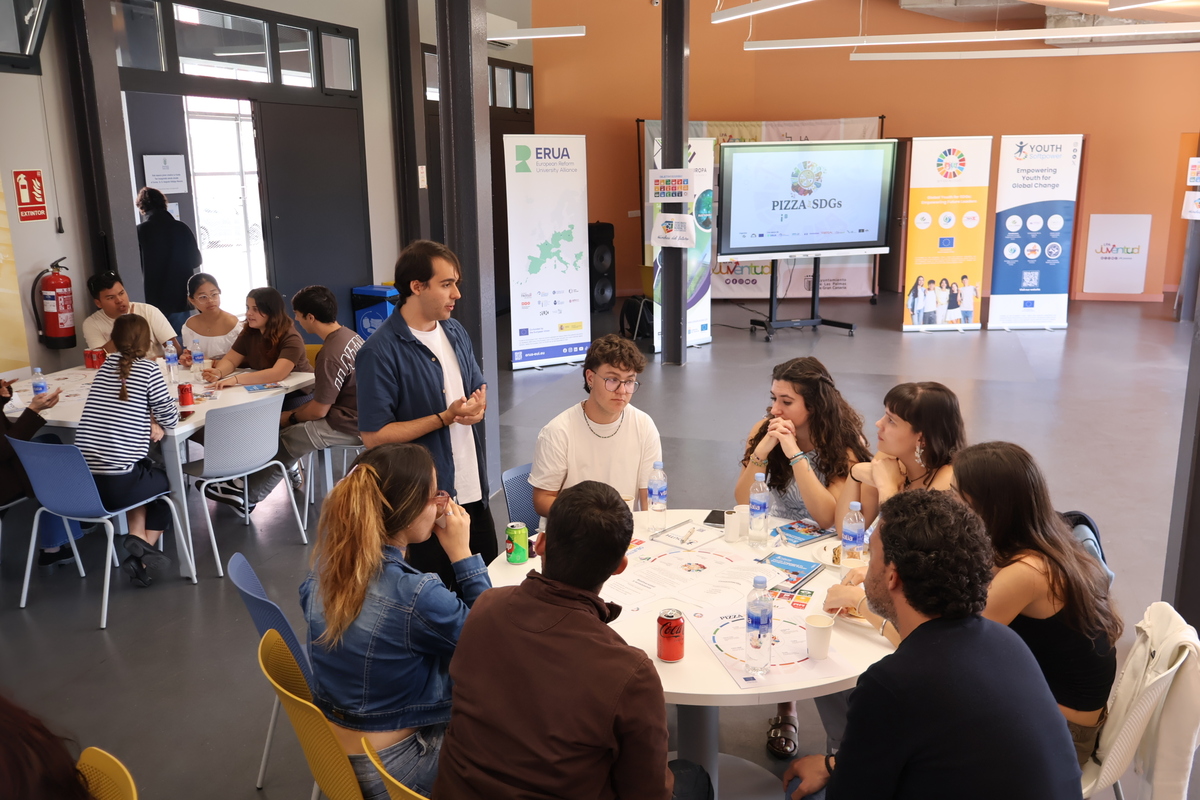
The event, organised under the Erasmus+ YoungSDG project, gathered nearly fifty participants at La Grada to reflect on sustainability, social innovation and youth participation.
Las Palmas de Gran Canaria, Spain, 25 May 2026 – On 20 May, the city of Las Palmas de Gran Canaria hosted Pizza for SDGs, a participatory event aimed at young people aged between 16 and 25, designed to provide a practical introduction to the United Nations Sustainable Development Goals (SDGs) and encourage the development of initiatives with social and environmental impact across the Canary Islands.
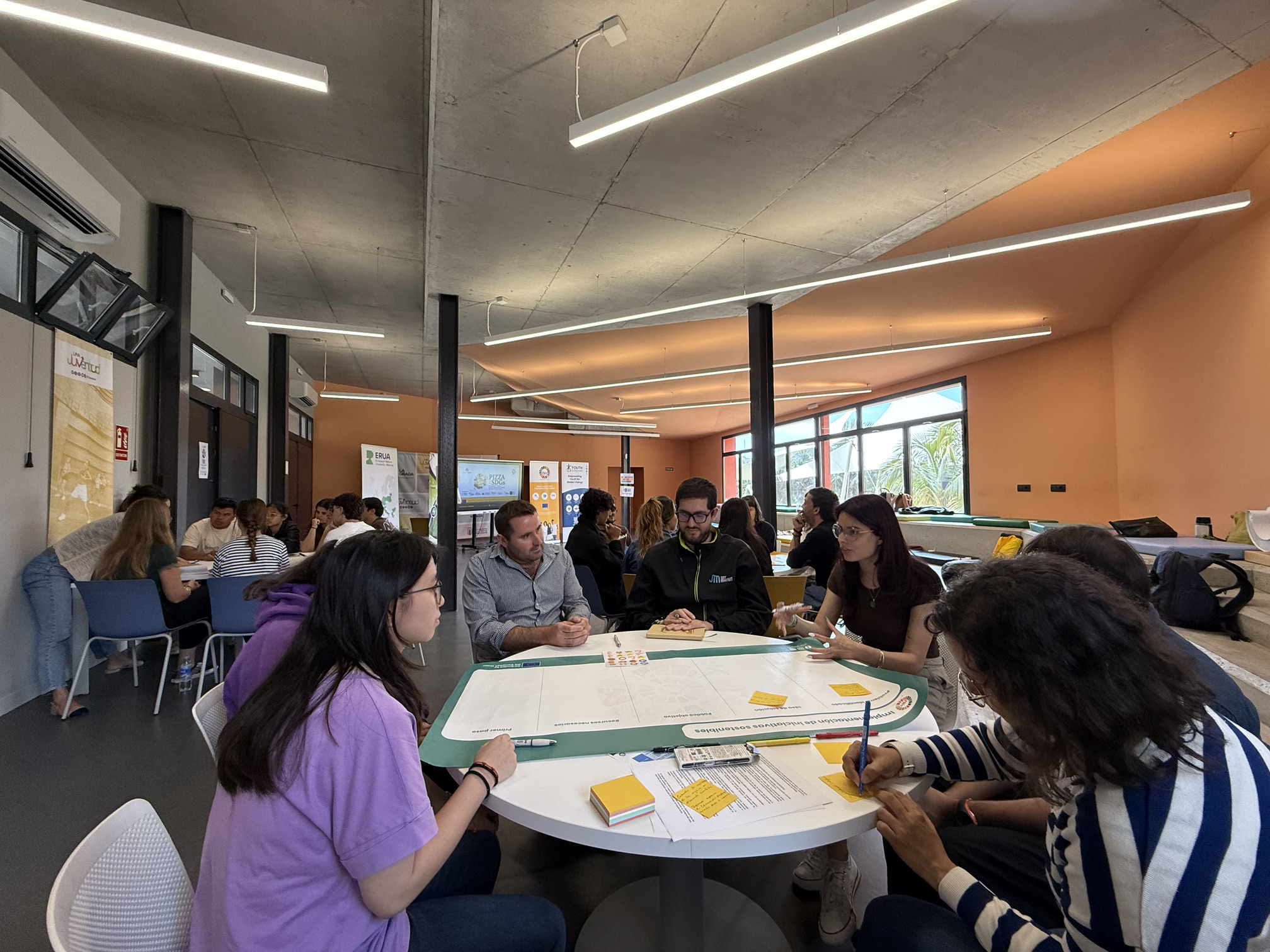
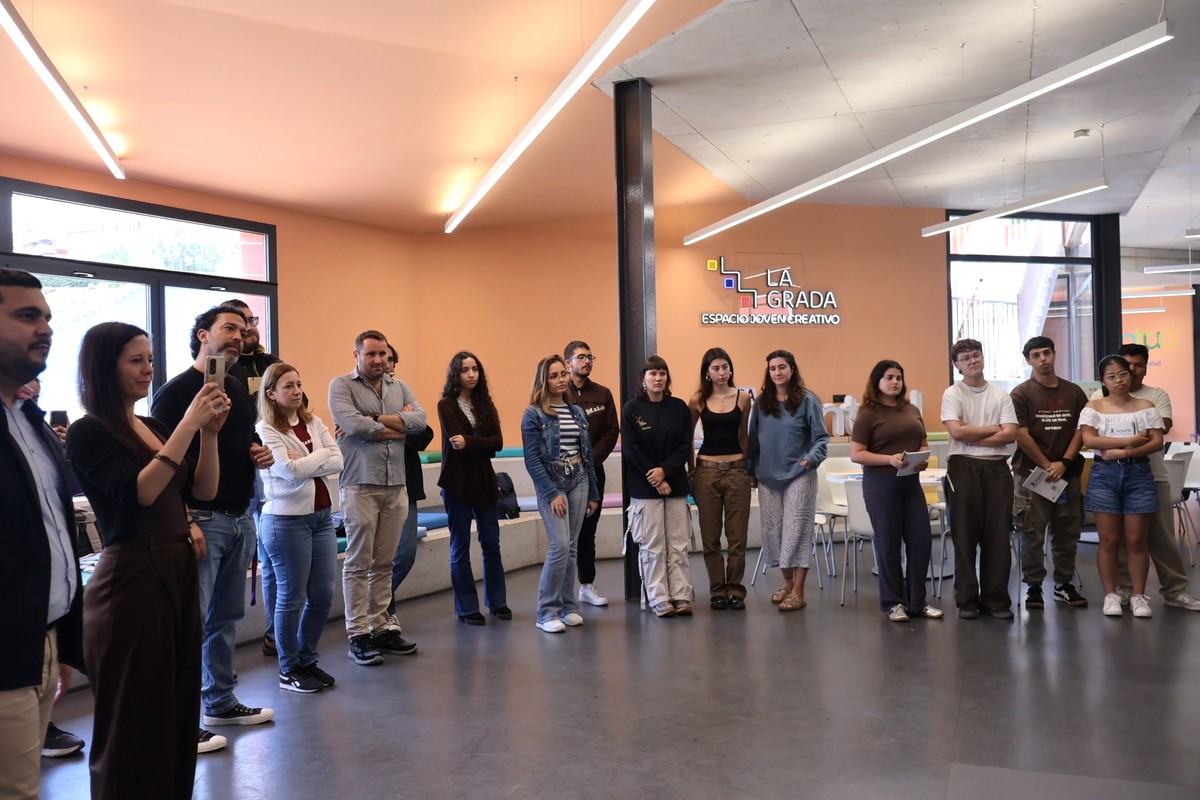
Held at La Grada Youth Creative Space, the activity brought together nearly fifty participants as part of the Erasmus+ YoungSDG project, coordinated by Consulta Europa. The event combined practical workshops, peer learning, networking opportunities and inspirational case studies focused on sustainability-related challenges affecting local communities.
The event featured institutional participation from Carla Campoamor Abad, Councillor for Youth at Las Palmas de Gran Canaria City Council, who highlighted the importance of creating opportunities where young people can move “from reflection to action”.
“Young people have a great deal to contribute towards building a more sustainable city. Activities such as these allow them to share concerns, develop real proposals and recognise that their ideas can also transform their communities,” said Campoamor.
The opening session also included an intervention by Jorge P. Artiles, Coordinator of the Gran Canaria 2030 Agenda at the Cabildo of Gran Canaria and Island Director for Citizen Participation, who presented the initiative ‘A Gran Canaria 2030 for a World Cup 2030’, a long-term strategy designed to align the future sporting mega-event with the island’s sustainability ambitions.
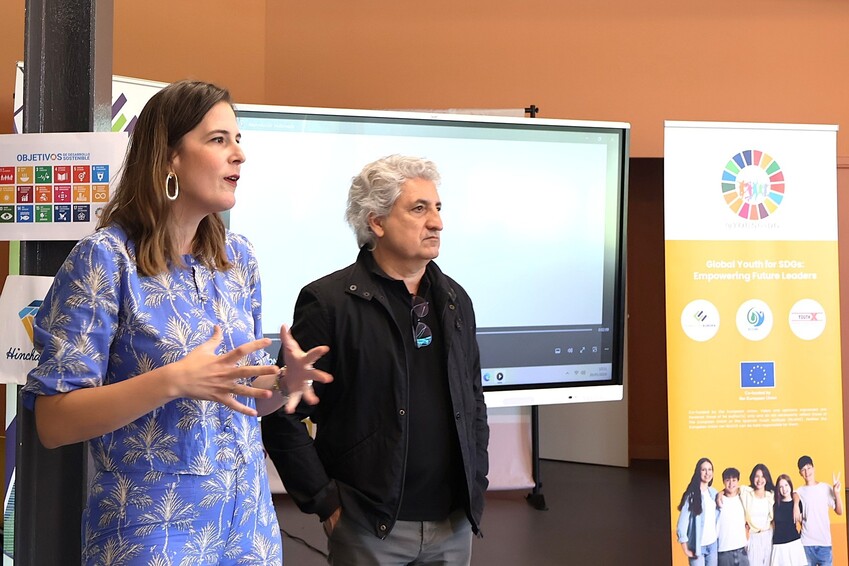
Artiles stressed that meaningful transformation requires cooperation across institutions, civil society and the private sector. This highlights the role of young people as active contributors to sustainable territorial development.
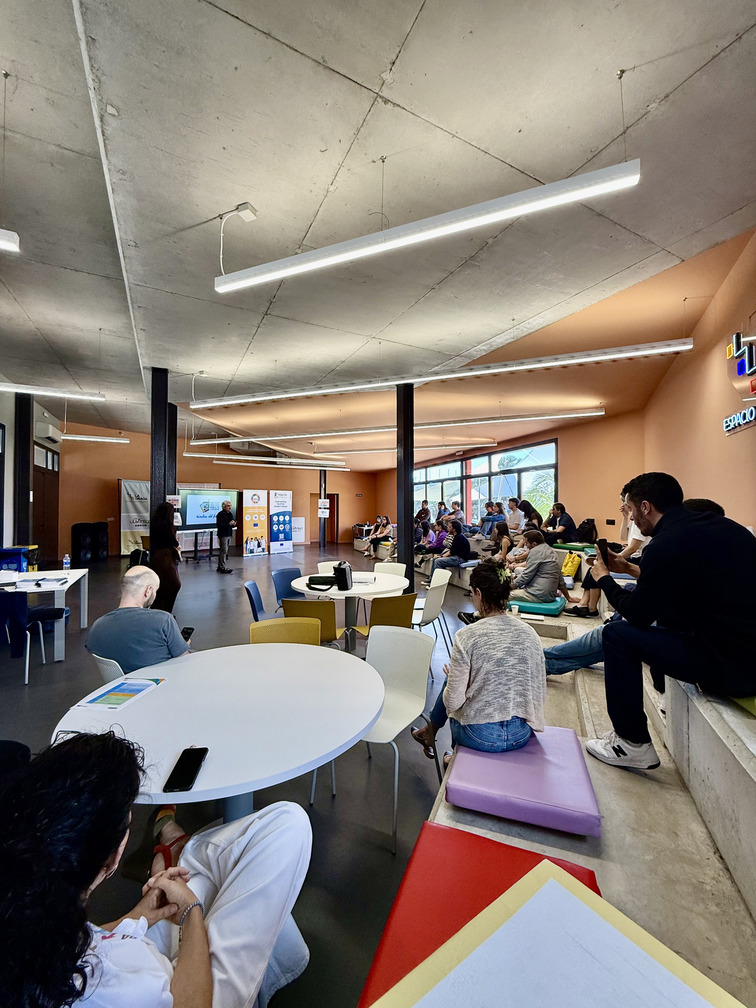
Meanwhile, Michelle Perello, CEO of Consulta Europa, presented the outcomes of the YoungSDG Erasmus+ project, developed in collaboration with international partners to strengthen youth engagement with the Sustainable Development Goals through practical methodologies and participatory learning tools.
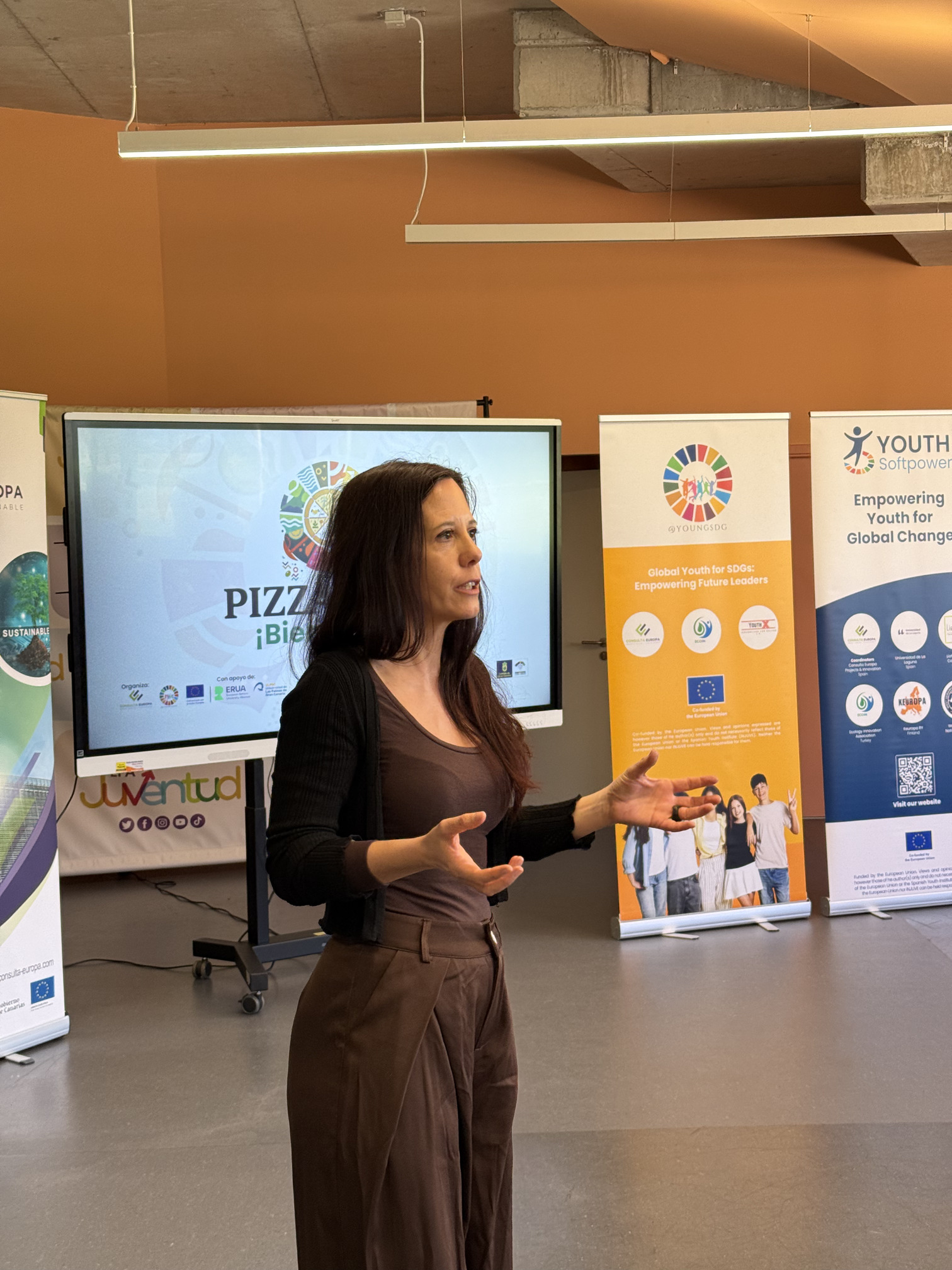
“Young people are often willing to engage with sustainability but lack accessible and practical spaces in which to do so. With Pizza for SDGs, we wanted to turn ideas into action and demonstrate that meaningful change can begin at the local level,” Perello explained.
The programme also included a session dedicated to international research and youth needs assessment, presenting findings from YouthSOFTPOWER, another European initiative coordinated by Consulta Europa, which seeks to empower young people by improving knowledge of the SDGs and Official Development Assistance (ODA).
The research, presented by Yasmina Álvarez González and Alejandro Manuel Pérez Rodríguez, researchers from the University of La Laguna, gathered the perspectives of more than 500 young people and youth workers across five European countries. Findings showed strong youth interest in digital learning, teamwork and climate action, while also revealing that Official Development Assistance remains largely unfamiliar to younger audiences due to technical language barriers. The results will contribute to the development of new digital and interactive educational tools aimed at strengthening youth capacity-building and civic engagement.
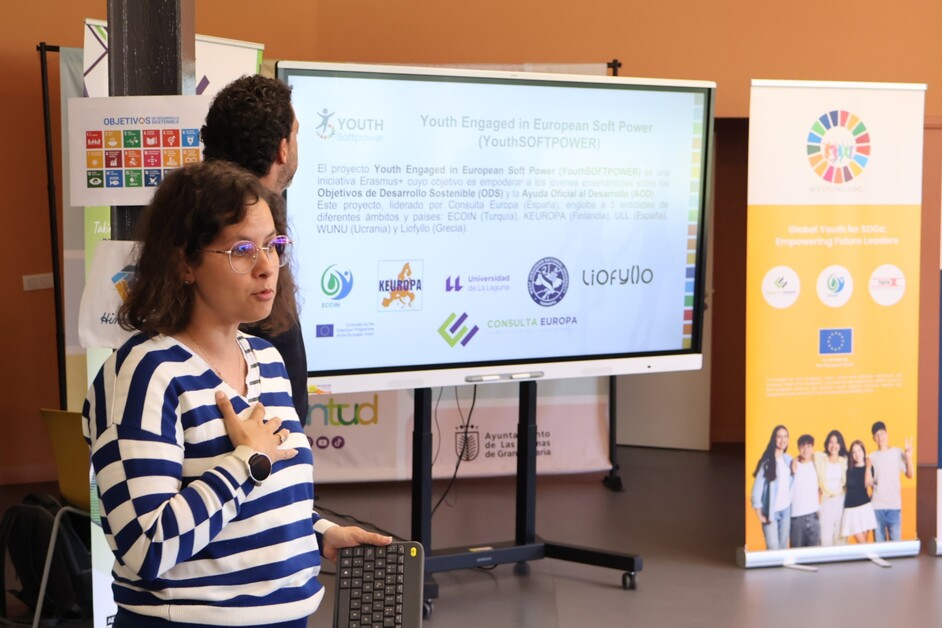
The event further showcased a panel of inspirational local initiatives, where organisations shared practical experiences linked to sustainability, innovation and youth empowerment.
Representing the Soy Mamut Cultural Association, Gonzalo Jiménez García, Head of Projects, Communication and Strategic Coordination, introduced initiatives focused on connecting young talent with global challenges through volunteering, environmental education and social transformation. Among the projects presented were the Huella Positiva Volunteer Platform, Ruta Siete ULPGC, and CoNaturaleza, all aligned with the Sustainable Development Goals and designed to foster community impact through participatory approaches.
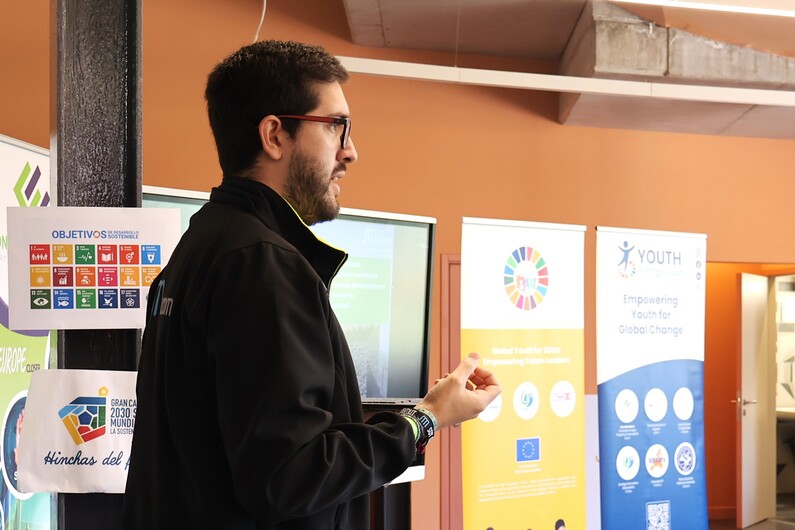
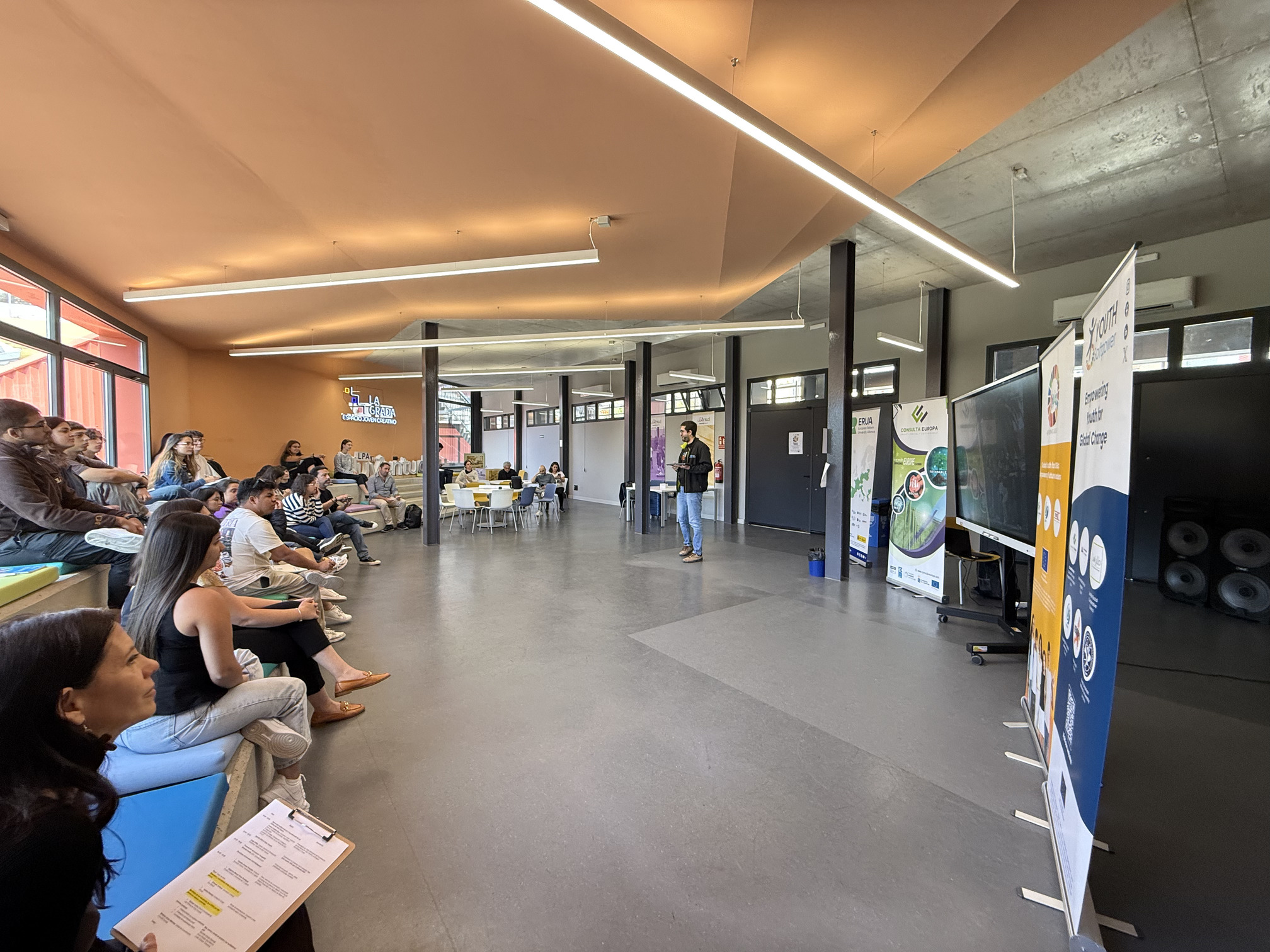
Later on, the Fundación Sergio Alonso, represented by Jessica Naranjo Trejo, Project Coordinator, presented initiatives bridging sustainability, technology and education. These included AgroSOS, a project promoting innovation in agriculture through automated farming systems and machinery electrification; EduDemoS, focused on renewable energy and digital competences; En el Mismo Código, aimed at introducing programming and robotics to young people; and Proyecto Árboles, an initiative supporting the renaturalisation of educational environments across the Canary Islands.
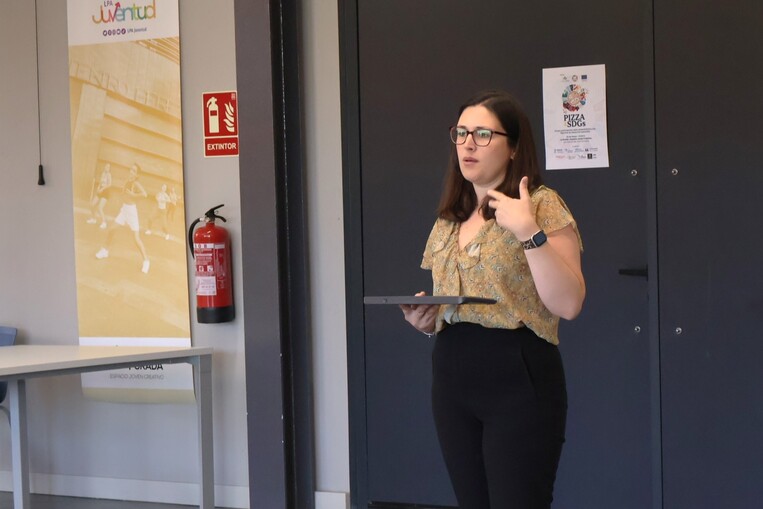
The programme also featured Samuel Taviro, representative of the European Reform University Alliance (ERUA) – University of Las Palmas de Gran Canaria (ULPGC), who delivered a session on student participation and internationalisation in higher education, drawing on the experience of the European university alliance as an example of youth involvement in institutional sustainability and decision-making.
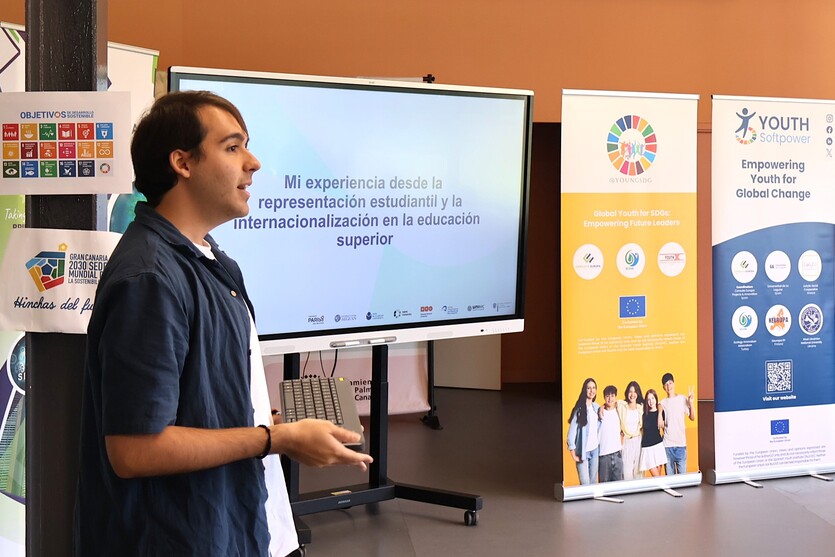
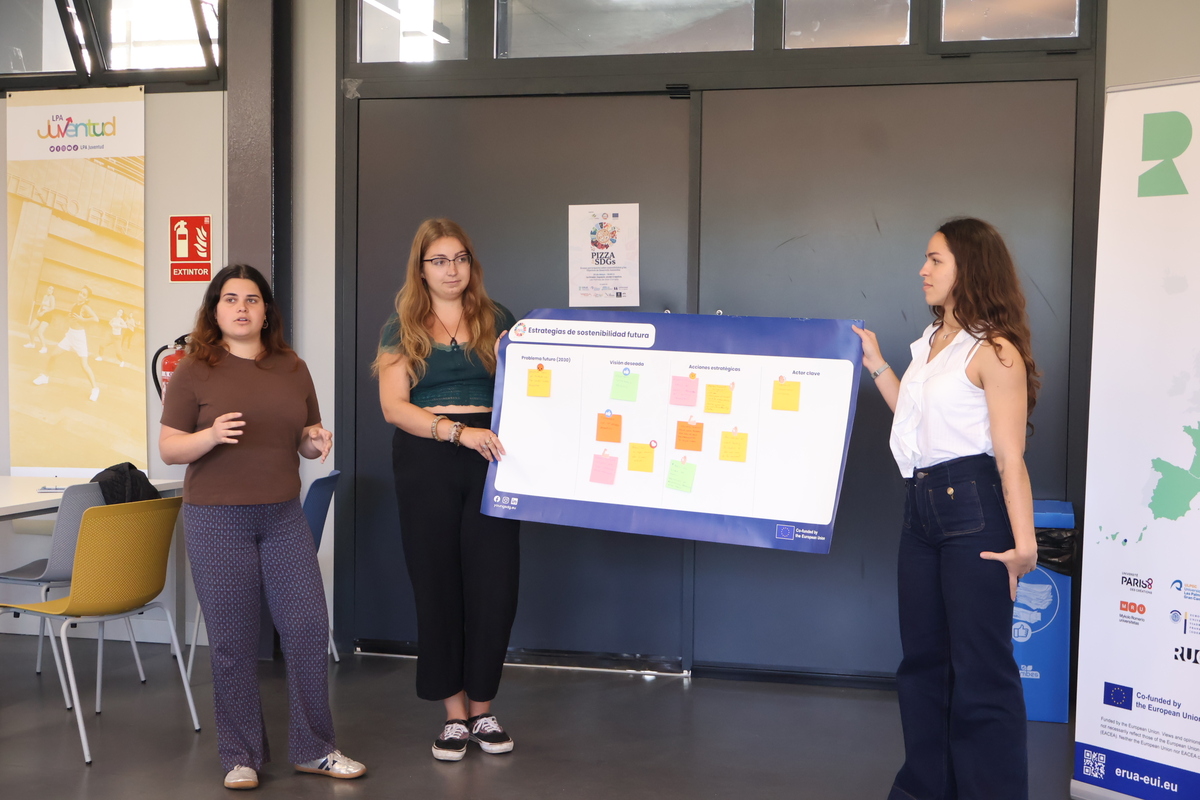
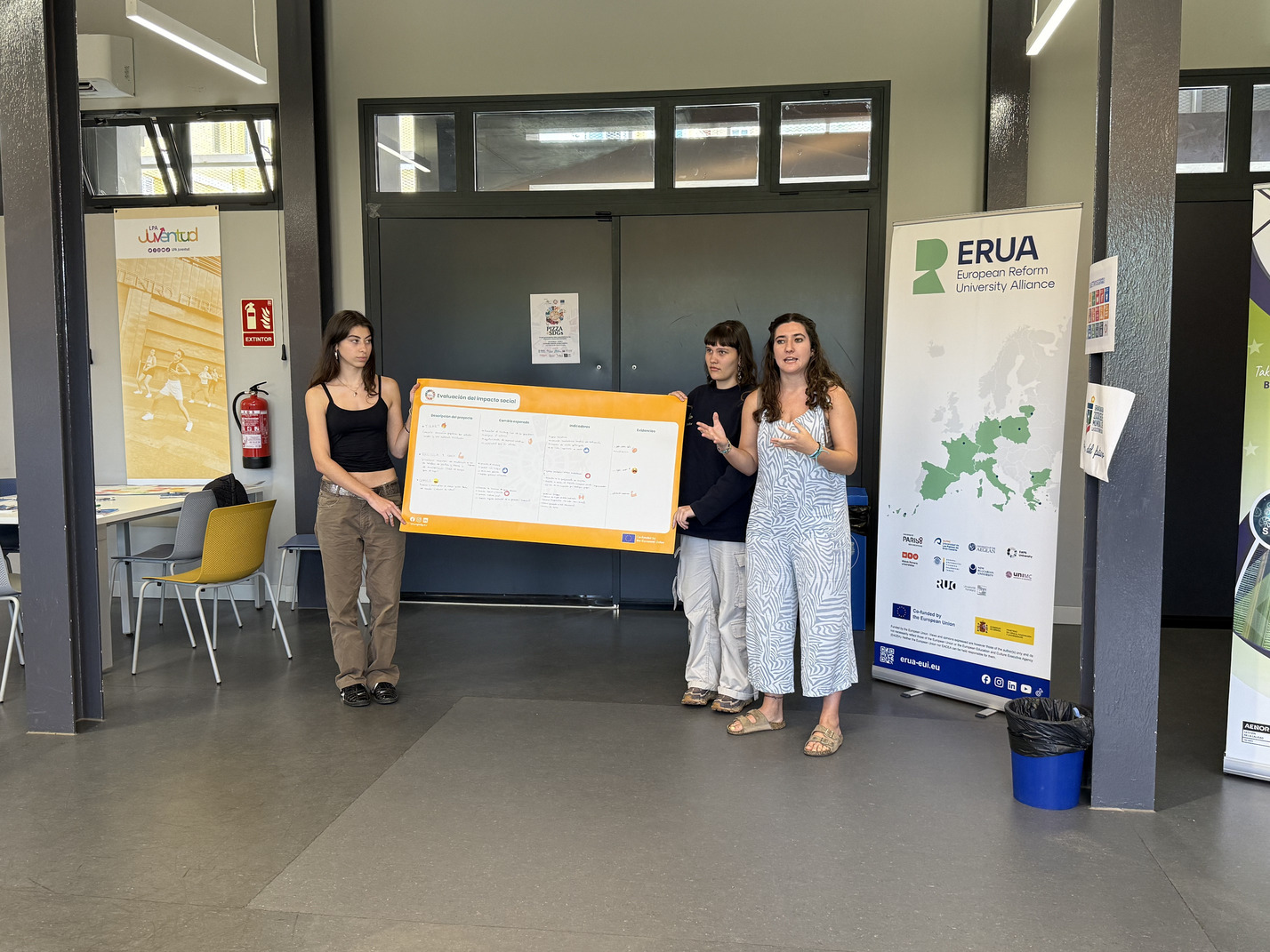
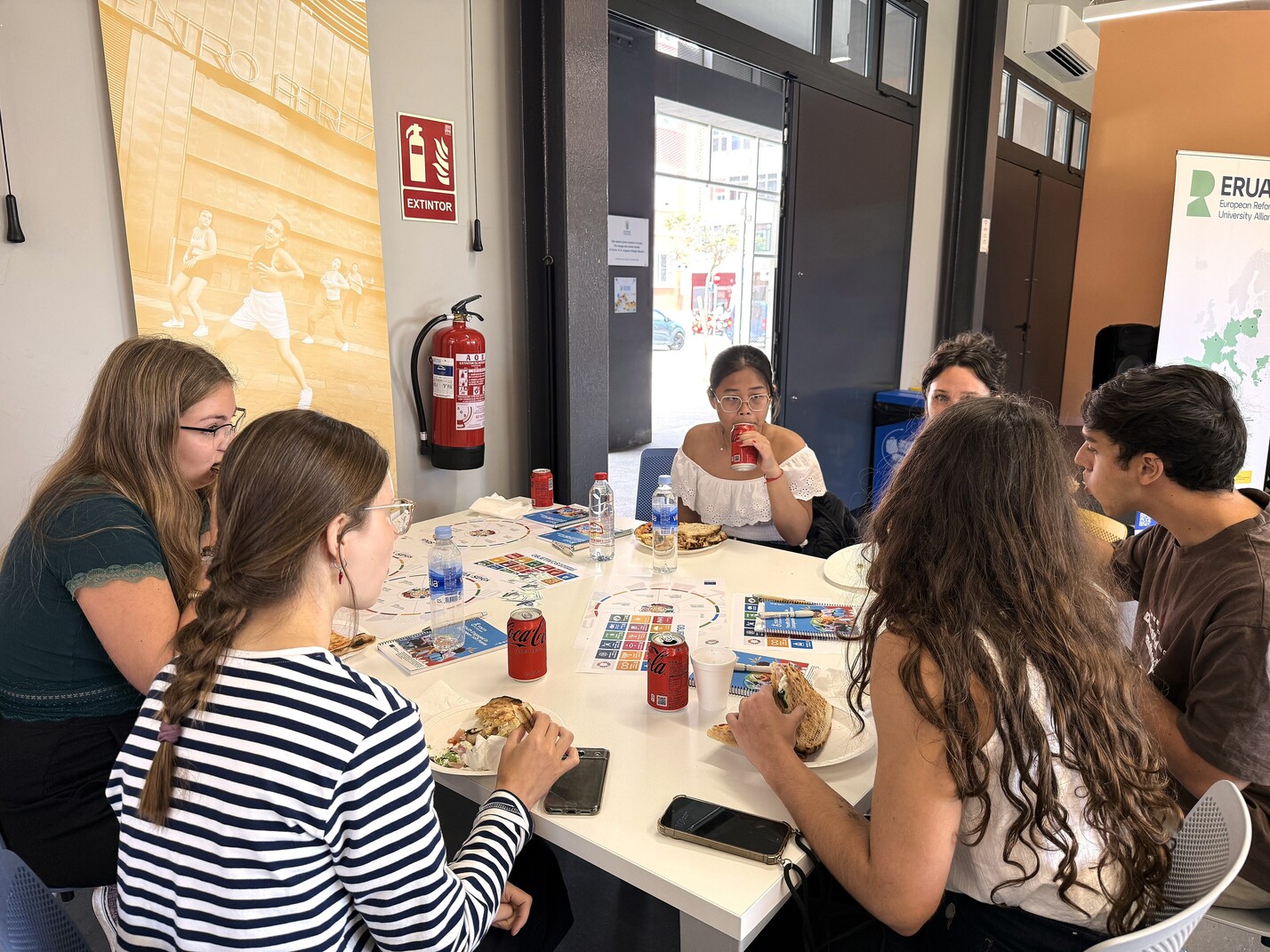
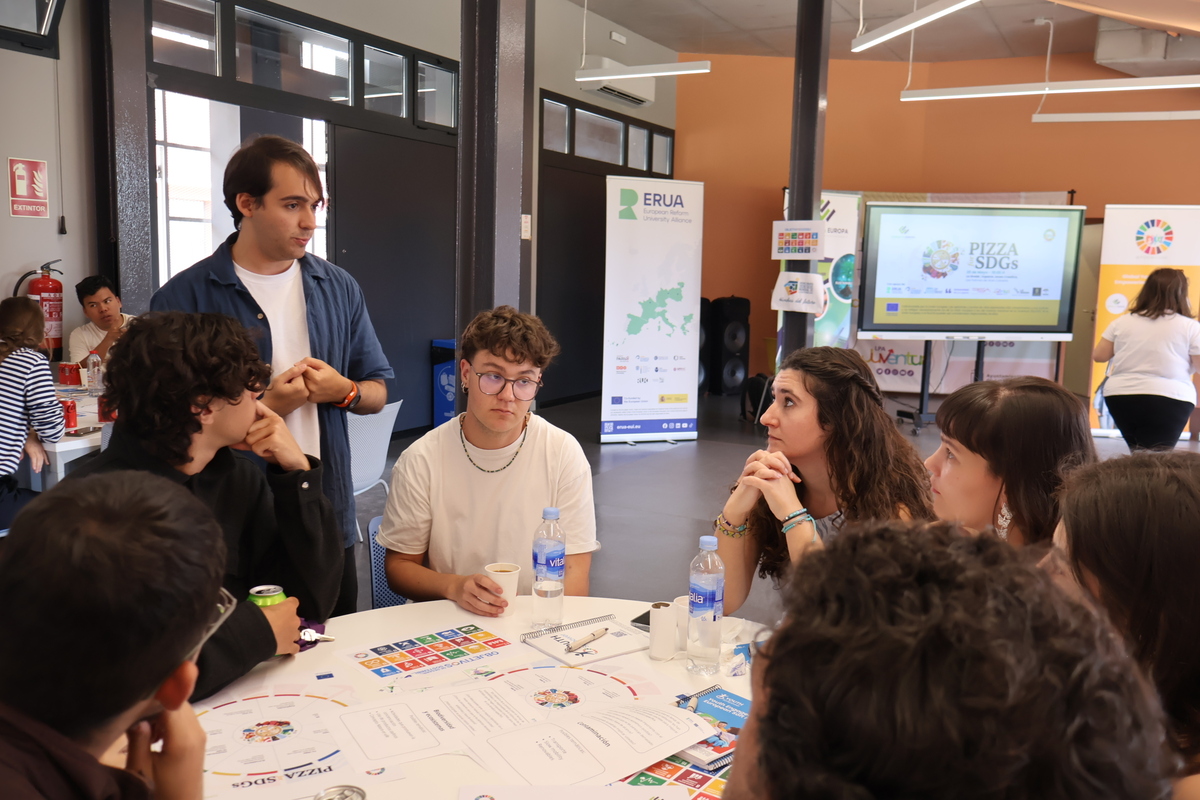
In addition, ERUA facilitated a dedicated workshop in which participants developed practical proposals for improving educational institutions and organisations across themes such as climate action, circular economy, biodiversity, pollution, youth wellbeing and community impact.
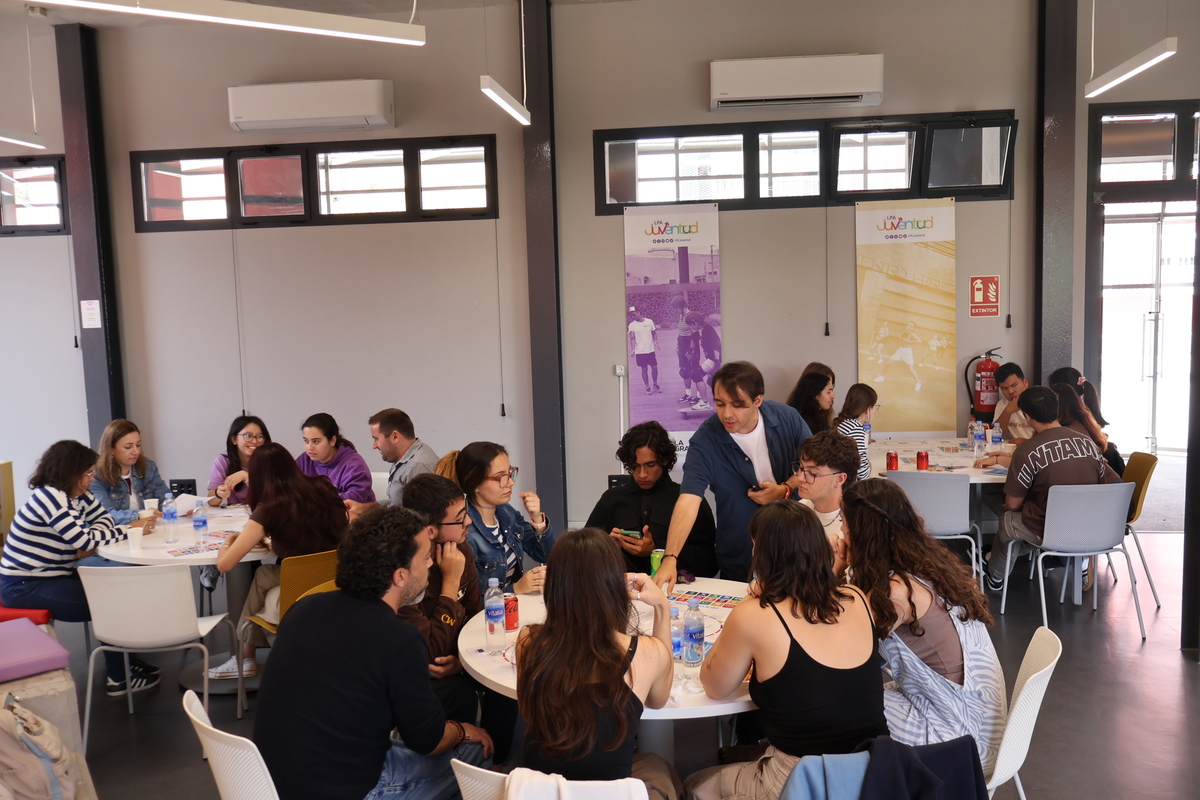
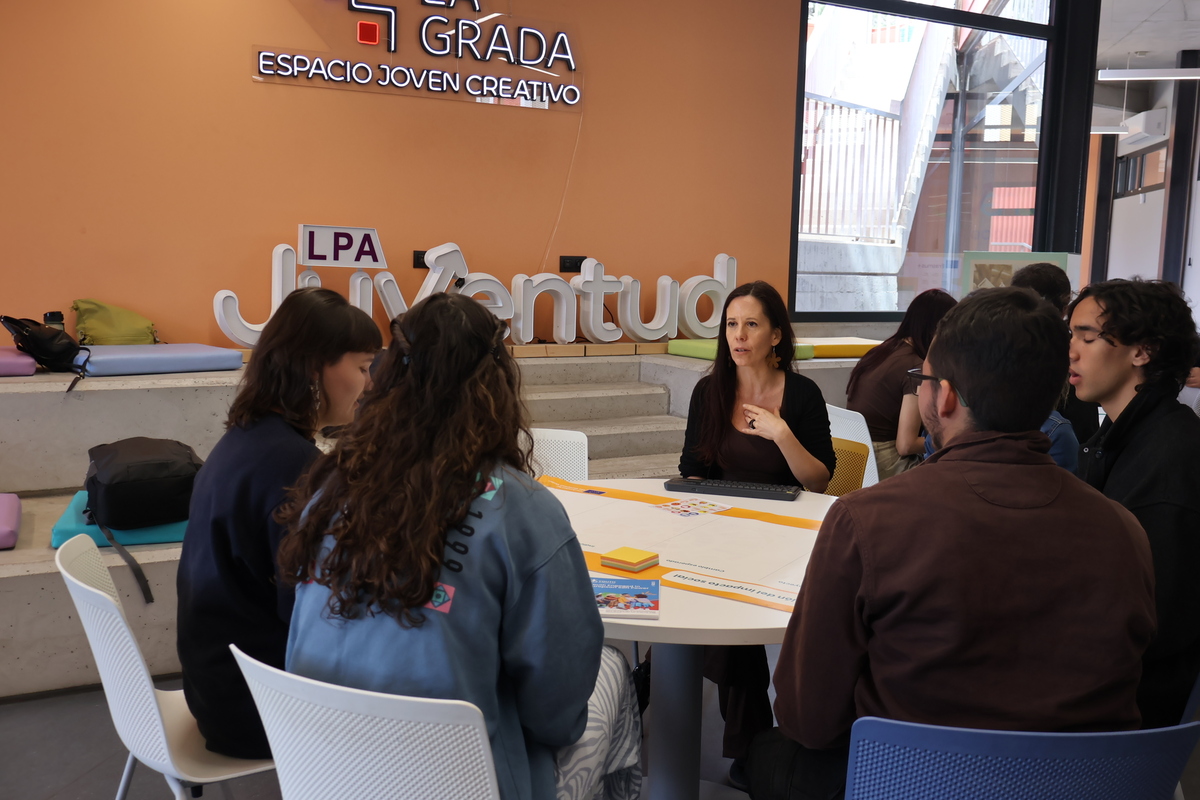
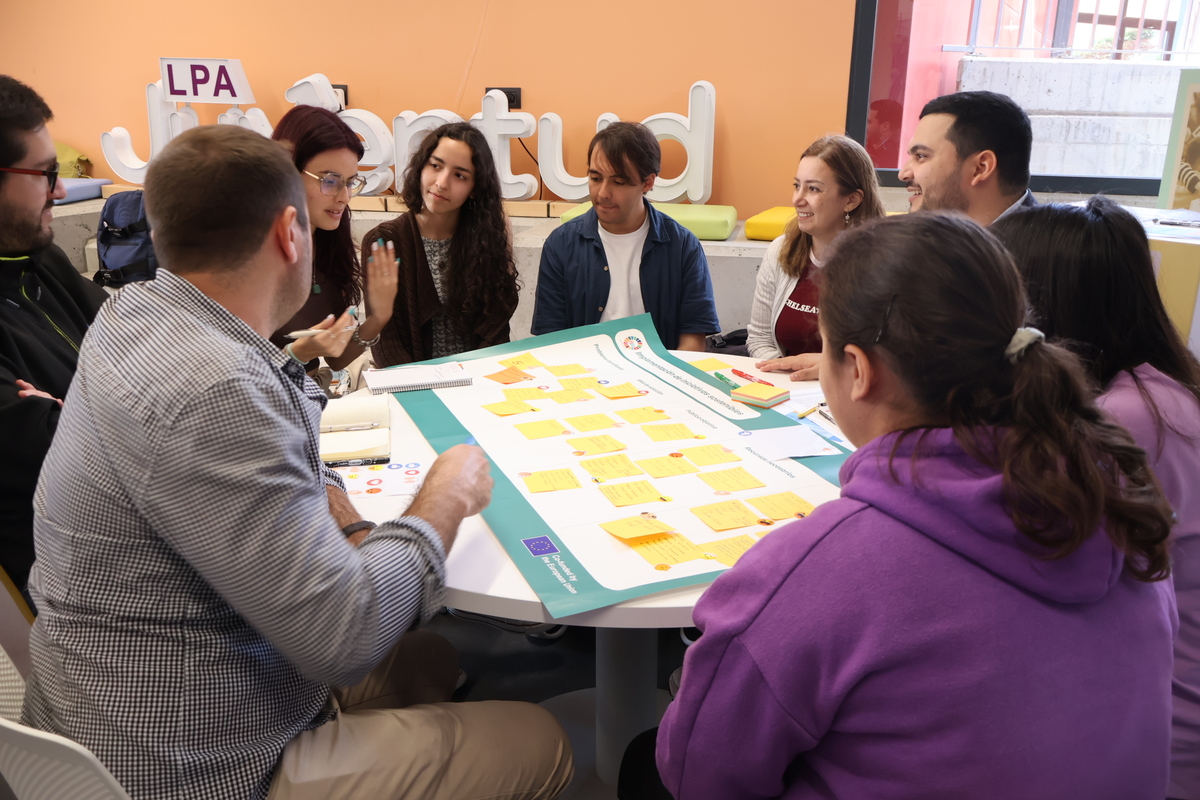
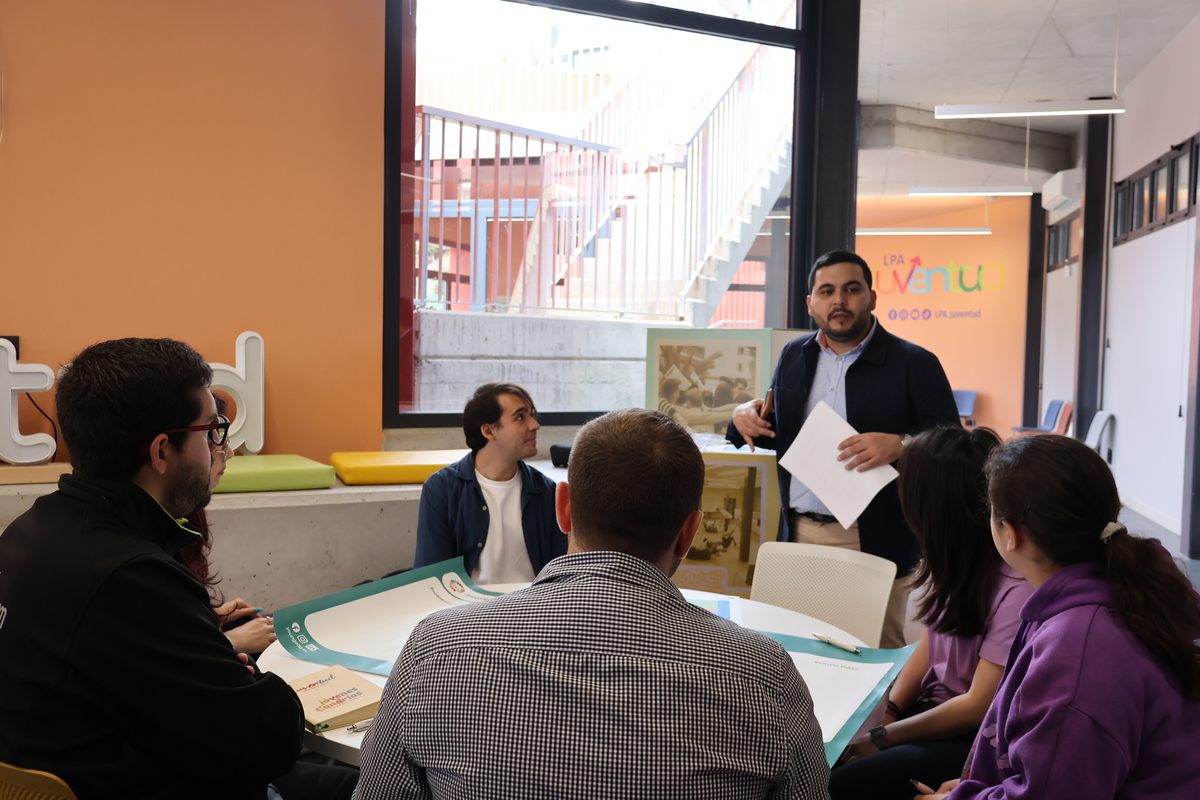
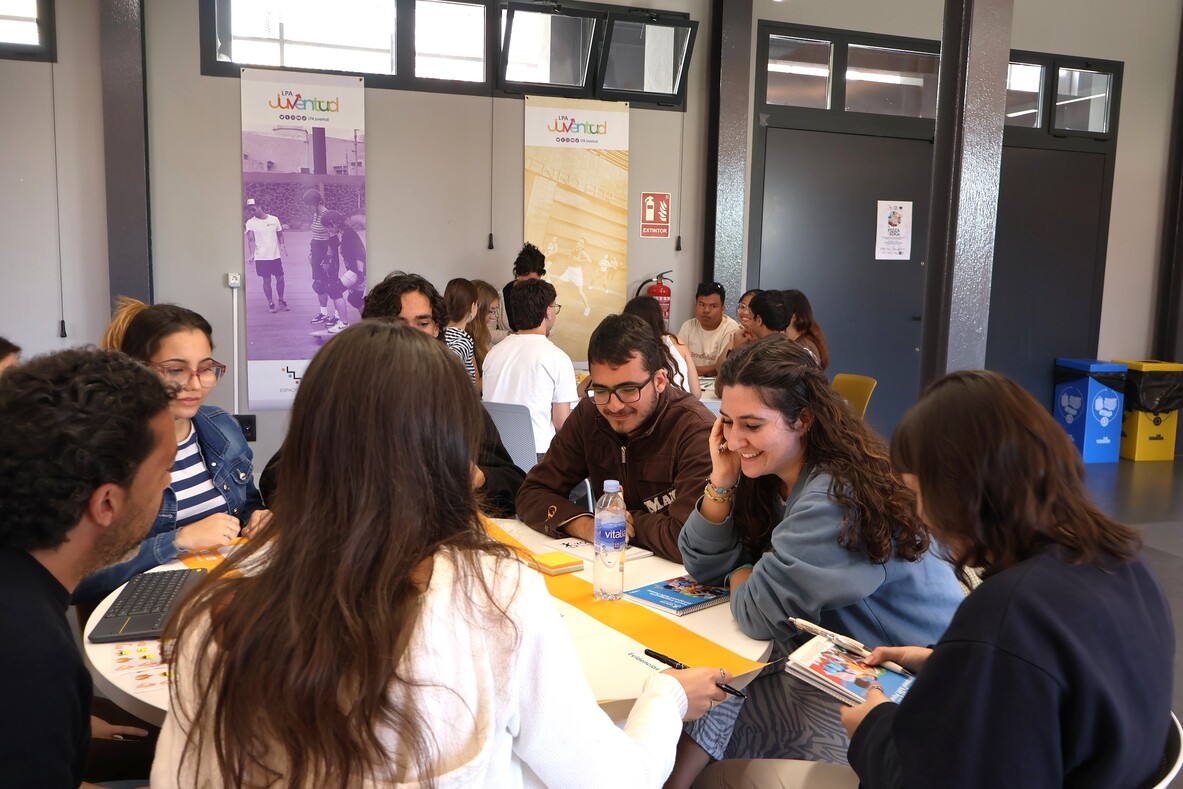
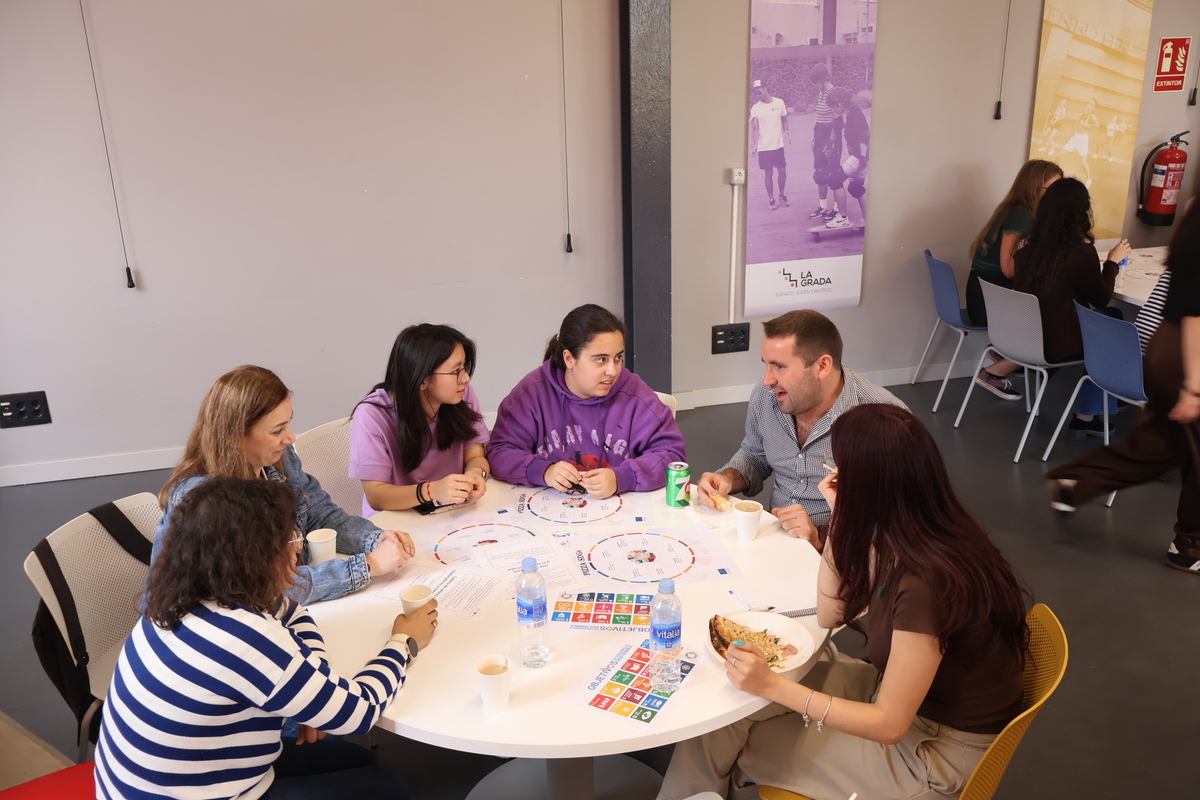
One of the central moments of the day involved a series of participatory workshops, where attendees worked collaboratively to design proposals inspired by the environmental and social challenges facing the Canary Islands. Ideas developed during the sessions addressed issues including equal opportunities, sustainable tourism, responsible management of natural resources, food sustainability, waste reduction and recycling, all approached through a practical and locally grounded perspective.
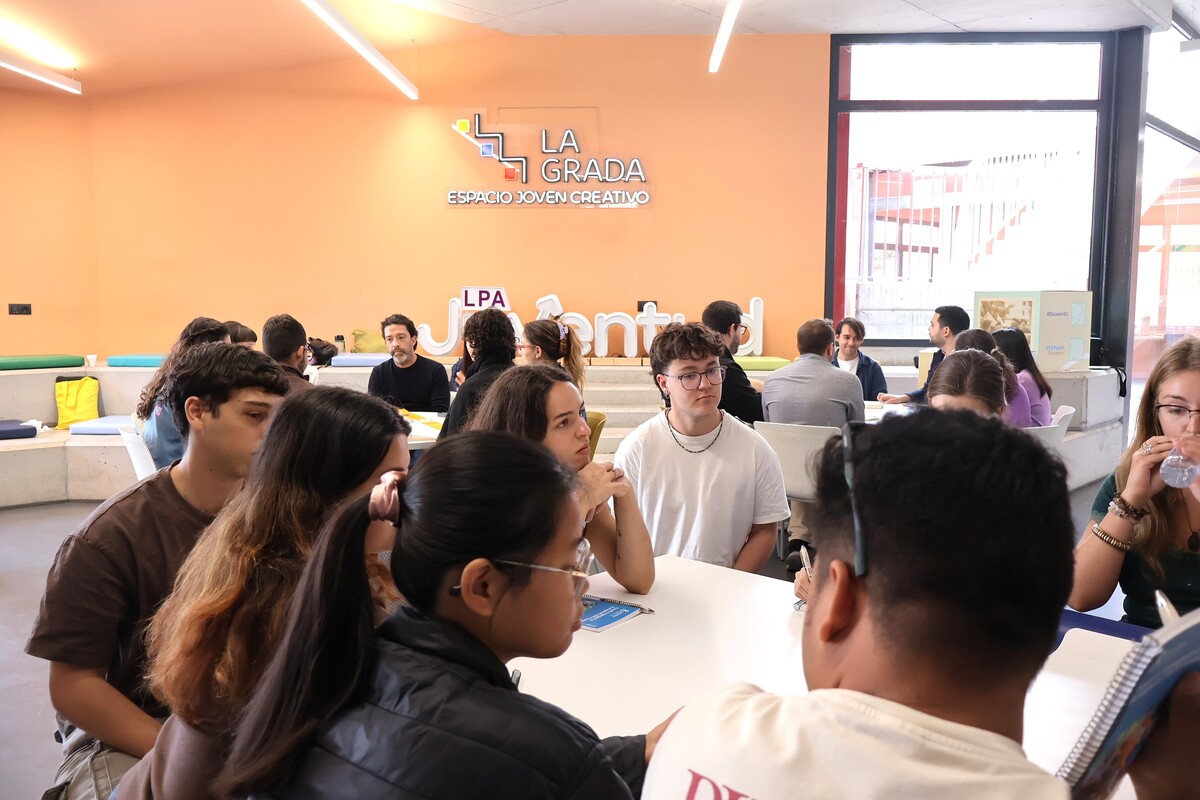
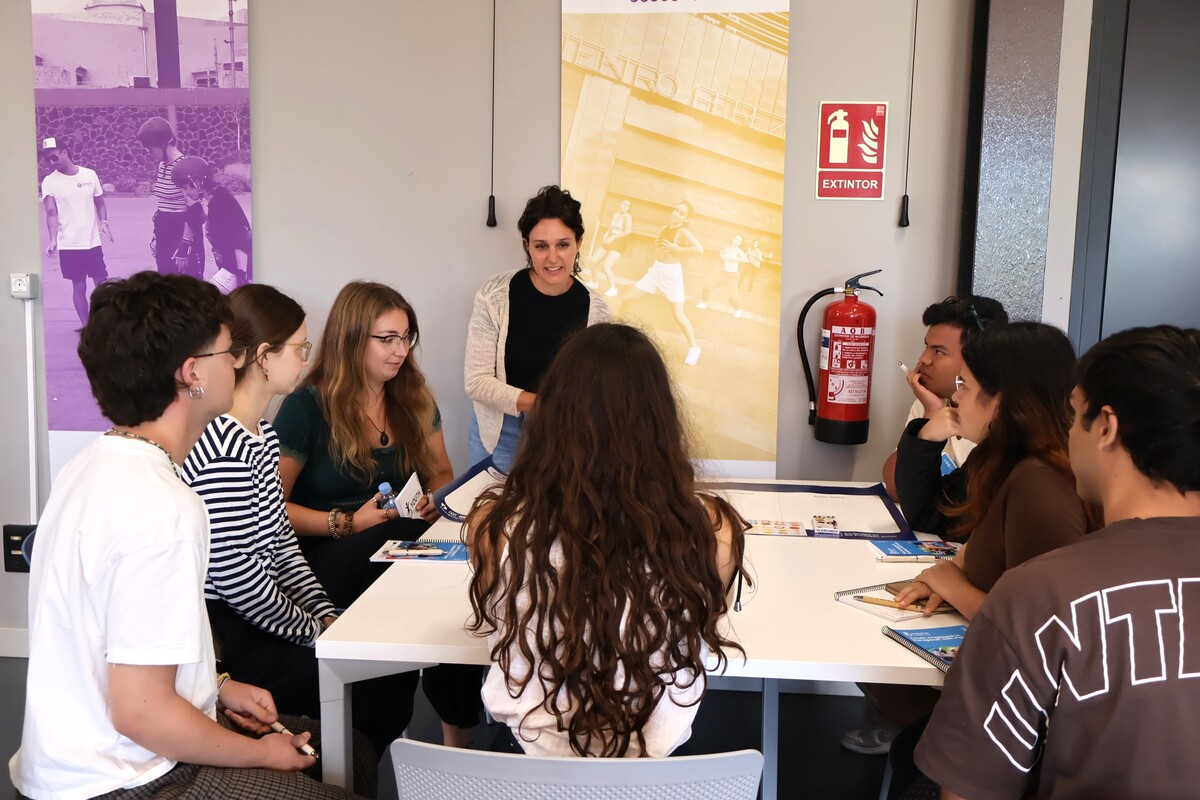
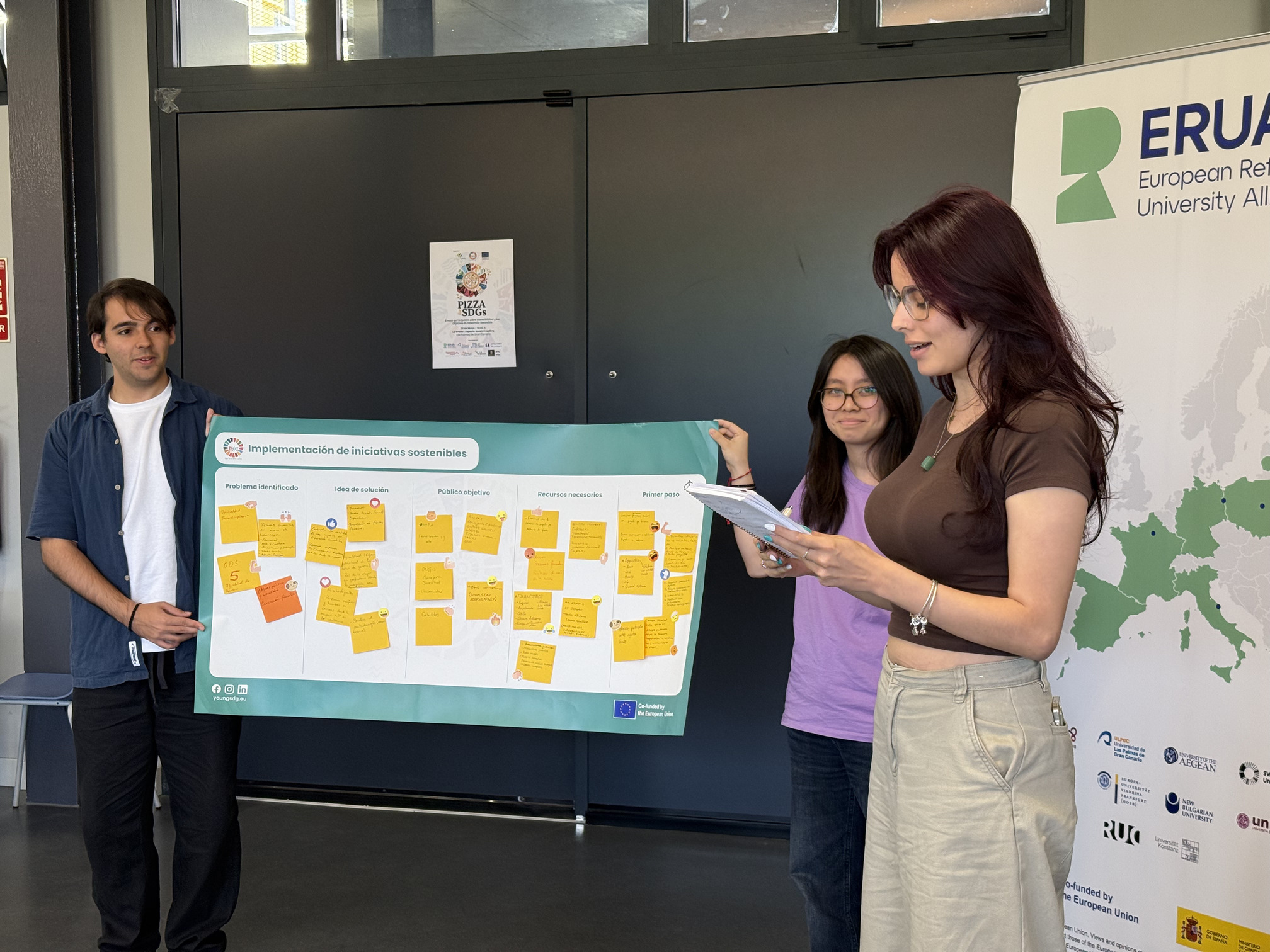
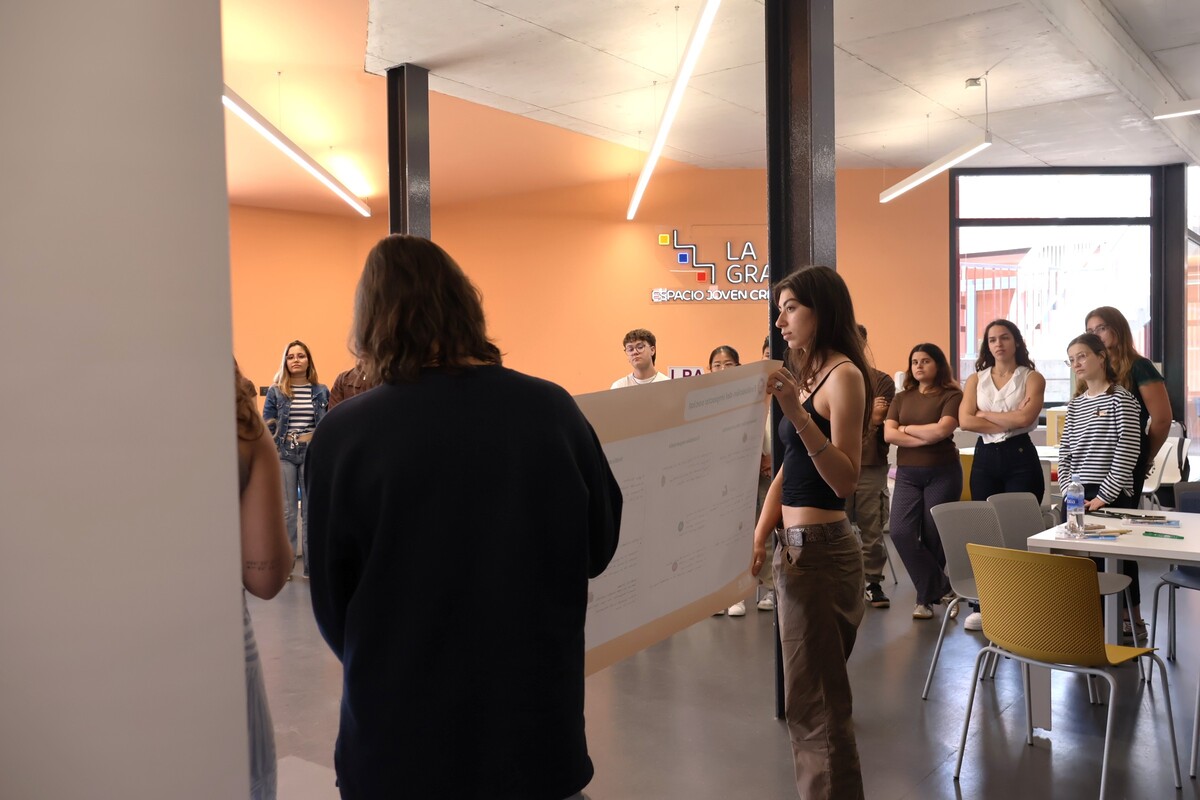
Víctor Martínez, Communications Manager at Consulta Europa and organiser and moderator of the activity, highlighted the high level of engagement demonstrated by participants throughout the day.
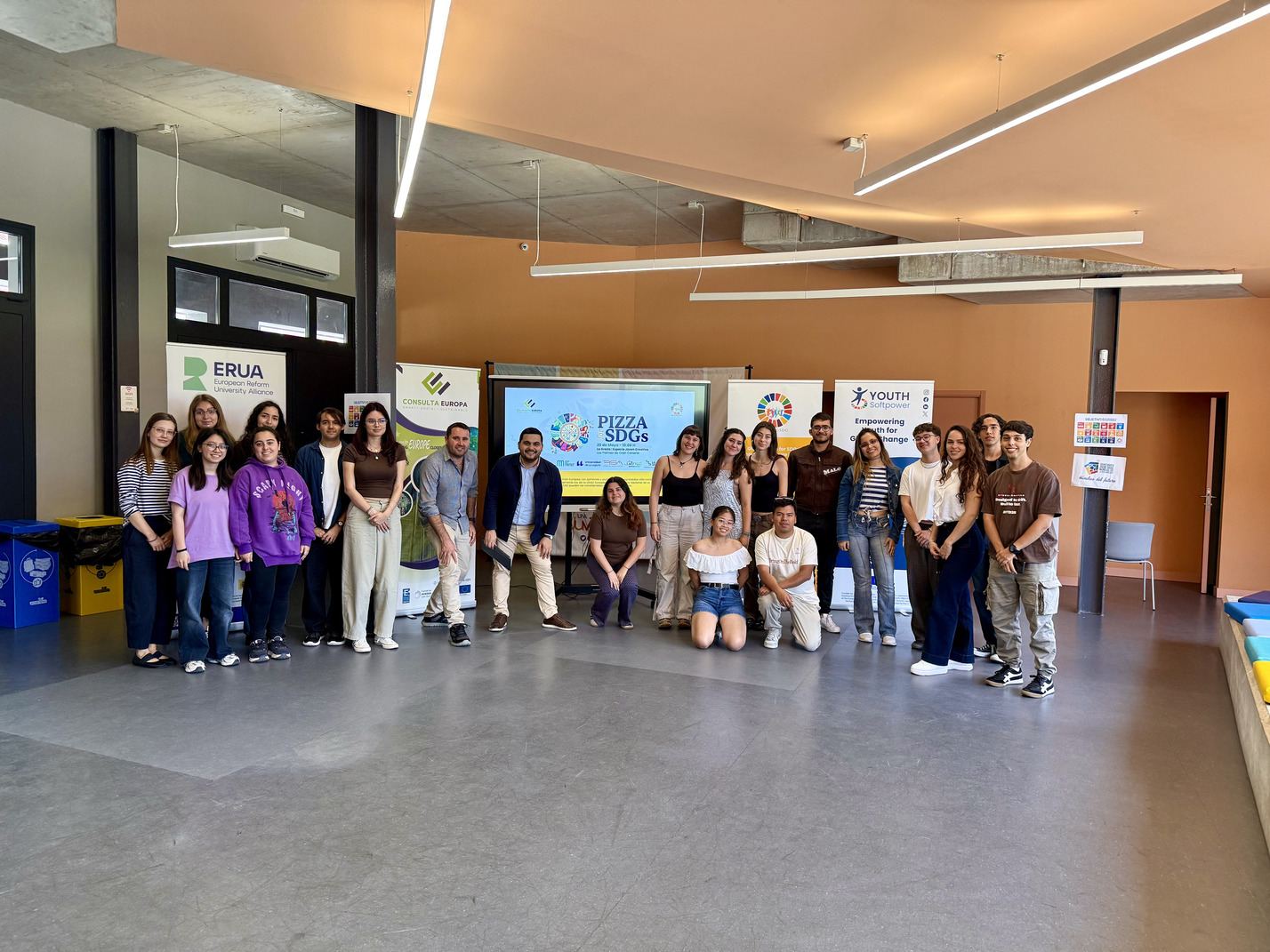
“Perhaps the most positive aspect was seeing young people move beyond simply participating in discussions to genuinely taking ownership of them and developing ideas that felt realistic and relevant for the Canary Islands. There was a genuine willingness to contribute and seek practical solutions,” Martínez said.
The event concluded with an informal networking session under the ‘Pizza for SDGs’ format, allowing participants, organisations and speakers to continue exchanging ideas around sustainability, youth participation and shared futures.
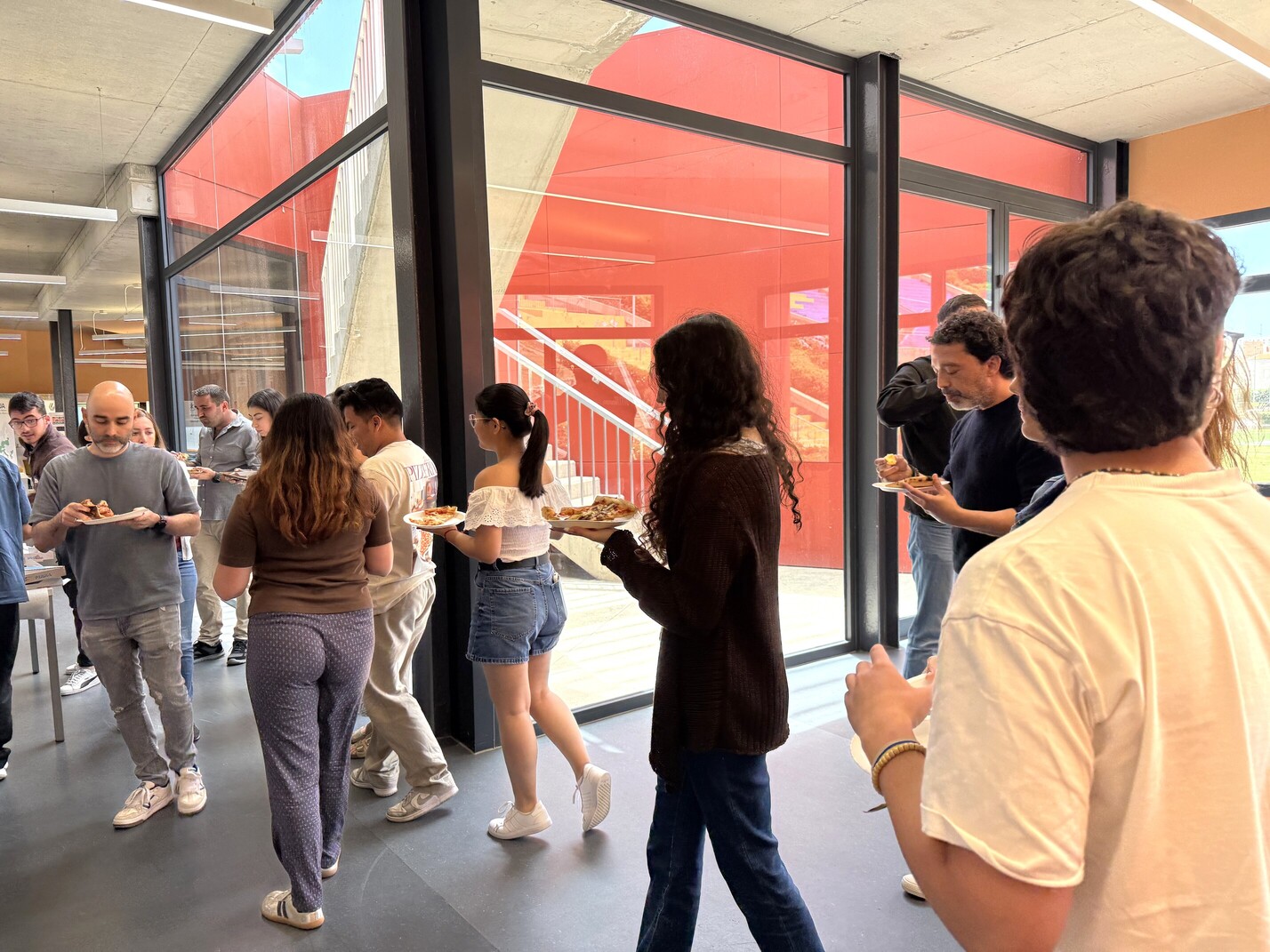
All attendees also received a YouthPass certificate, the European recognition tool for competences acquired through non-formal learning activities supported by the Erasmus+ programme.